What Workflo's AI Actually Does Today, and What's Still Coming
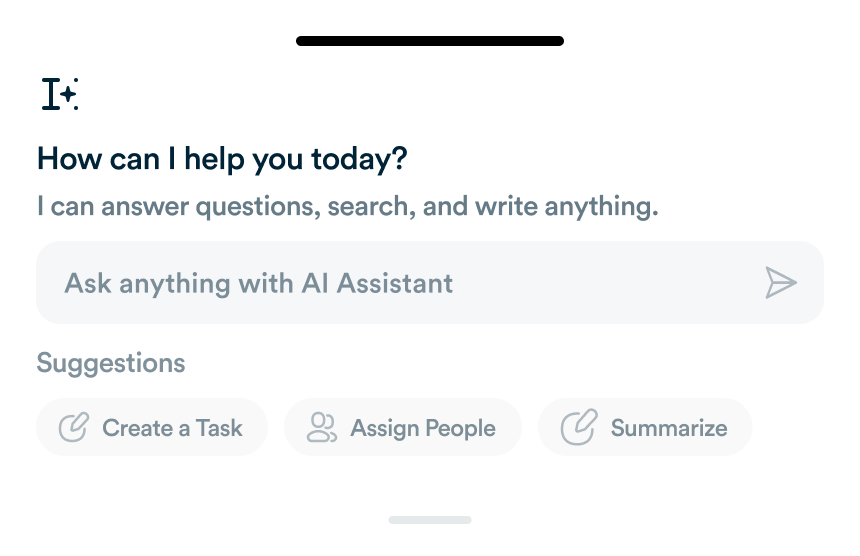
A lot of "AI-powered" product pages describe features that don't exist yet. Here's an honest breakdown of what's shipped versus what's on the roadmap.
Experimenting with productivity techniques allows professionals to identify what works best for their unique workflows. By testing different methods and analyzing results, individuals can optimize their routines, enhance focus, and maximize output. This guide outlines practical productivity experiments you can try this month, incorporating tools like Workflo to track, measure, and improve your results.

The Two-Minute Rule states that if a task takes less than two minutes, do it immediately. Steps:
Use Workflo to record short tasks, send reminders, and measure task completion rates to evaluate the experiment.

Time blocking helps manage attention and prevent multitasking. Procedure:
Integrate Workflo with your calendar to automate scheduling, monitor time blocks, and generate productivity insights.

Test whether focusing on one task at a time improves efficiency compared to multitasking:
Workflo dashboards allow monitoring of task progress and completion times to compare outcomes effectively.

The morning sets the tone for the day. Experiment by:
Use Workflo reminders to enforce morning routines and track associated productivity metrics.

Batching similar tasks reduces context switching. Steps:
Workflo can categorize tasks into batches, schedule time blocks, and provide visual reports on time spent per batch.

Measure the effect of minimizing distractions:
Workflo notifications can be customized to filter non-essential alerts, aiding in distraction reduction.

Test the benefits of deep work:
Workflo helps schedule deep work sessions and tracks progress, providing insights on the most effective time blocks.

Evaluate a new productivity tool for one week:
Workflo can centralize tool usage, track performance improvements, and report outcomes of the experiment.

Experiment with break lengths and timings:
Workflo reminders can automate break schedules and record adherence for analysis.

Test the impact of regular reflection:
Workflo dashboards provide data-driven insights to enhance the effectiveness of reflection and routine adjustments.

Conducting productivity experiments helps professionals discover what techniques maximize focus, efficiency, and output. Key experiments include applying the Two-Minute Rule, time blocking, single-tasking, optimizing morning routines, batching tasks, limiting distractions, deep work sessions, trialing productivity tools, break timing variations, and weekly reflection. Platforms like Workflo enable tracking, measuring, and analyzing these experiments, providing actionable insights that support continuous improvement and sustainable productivity throughout 2025.
A lot of "AI-powered" product pages describe features that don't exist yet. Here's an honest breakdown of what's shipped versus what's on the roadmap.
Introduction The 4-day workweek is gaining traction as a strategy to enhance productivity, employee satisfaction, and focus. This guide explores […]
Introduction Distractions are one of the main obstacles to achieving peak productivity. A well-designed work environment minimizes interruptions, fosters focus, […]
Organize tasks, collaborate with your team, and track progress, all in one place.