Introduction
Remote teams face unique challenges such as communication gaps, time zone differences, and coordination issues. This case study explores how a distributed team improved efficiency, reduced missed deadlines, and enhanced collaboration by adopting project management software, highlighting Workflo’s role in achieving these outcomes in 2025.

Background of the Team
The team consisted of 12 members spread across four countries, working on software development projects:
- Varied time zones and cultural differences
- Prior reliance on email and chat for updates
- Lack of centralized task management leading to missed deadlines
- Workflo was introduced to streamline project tracking and communication

Identifying Challenges
The team faced key challenges:
- Poor visibility into task progress
- Difficulty prioritizing work across multiple projects
- Limited accountability and ownership
- Workflo dashboards were configured to address visibility and accountability gaps

Step 1: Centralizing Project Information
The team centralized all tasks, documents, and communications:
- Created project boards and assigned tasks with deadlines
- Uploaded all documentation and resources to a shared space
- Workflo provided a single platform for task assignment, status updates, and file management

Step 2: Implementing Task Prioritization
To ensure high-priority work was completed first:
- Each task was assigned an urgency and impact rating
- Team members focused on high-priority items daily
- Workflo automated priority labeling and visual indicators for quick reference

Step 3: Scheduling and Time Management
The team coordinated across time zones:
- Set overlapping work hours for collaboration
- Used time-blocking and deadlines to avoid task delays
- Workflo integrated calendar tools to track task deadlines, set reminders, and visualize overlapping schedules

Step 4: Regular Check-Ins and Standups
Daily standups kept everyone aligned:
- Brief virtual meetings to share progress and blockers
- Task updates posted in centralized dashboards
- Workflo notifications reduced the need for lengthy meetings by updating task statuses automatically

Step 5: Tracking Metrics and Performance
Monitoring progress helped identify bottlenecks:
- Used completion rates, velocity, and task durations as KPIs
- Adjusted workload distribution based on insights
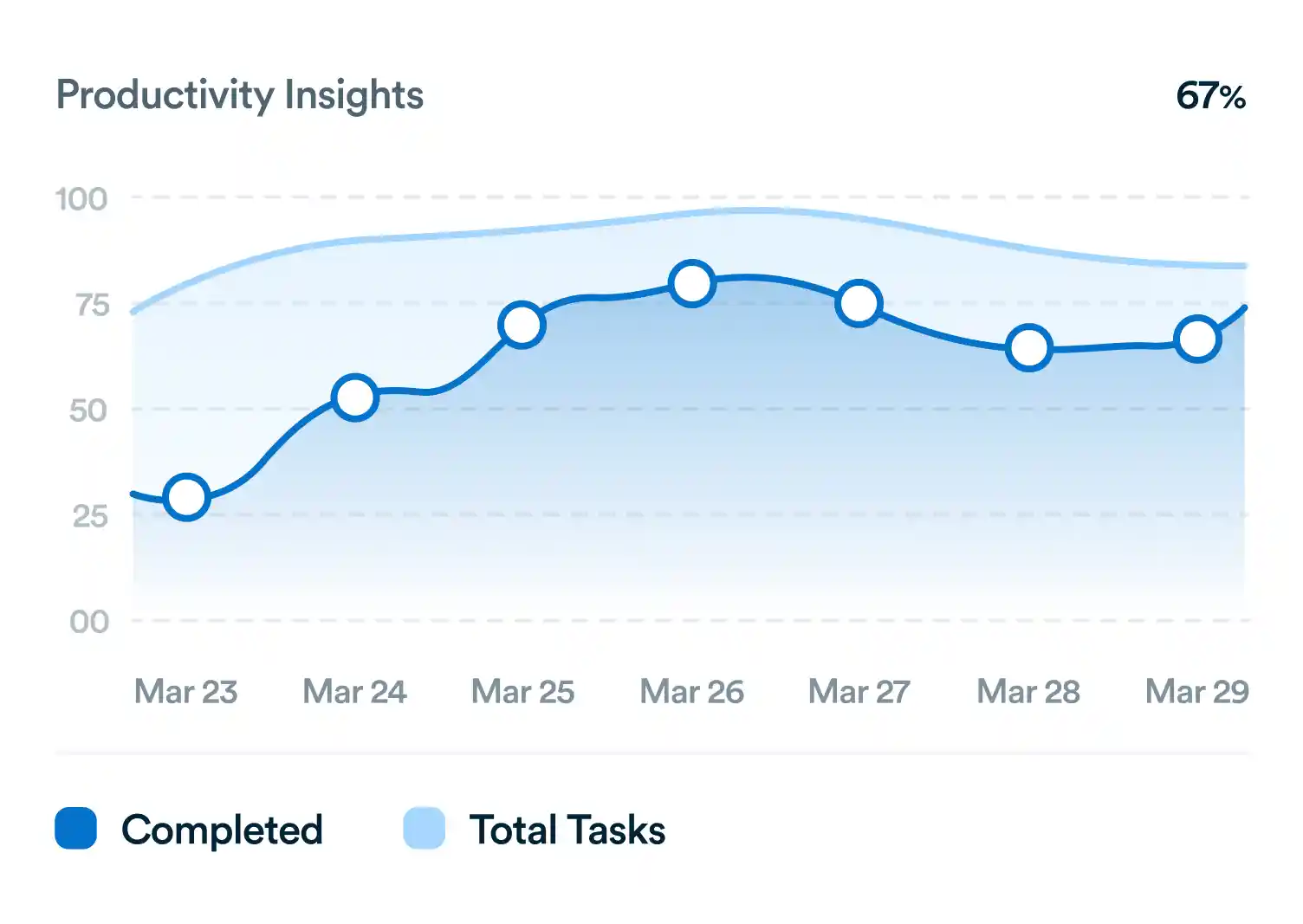
- Workflo analytics provided real-time insights into performance trends and project health

Step 6: Facilitating Collaboration and Communication
Collaboration improved significantly:
- All discussions were centralized around tasks and projects
- File sharing and comments kept work transparent
- Workflo integrated messaging and document storage for seamless team communication

Step 7: Continuous Improvement and Feedback
The team adopted iterative improvements:
- Held retrospective meetings after each sprint
- Gathered feedback to improve processes and workflows
- Workflo tracked retrospective action items to ensure they were implemented in subsequent cycles

Results Achieved
The team observed measurable improvements:
- 35% reduction in missed deadlines
- Improved transparency and accountability across team members
- Higher team morale and reduced stress
- Workflo dashboards provided ongoing insights and automated reminders that reinforced positive practices
Lessons Learned
Key takeaways from the case study:
- Centralized tools prevent information silos
- Prioritization and scheduling are essential for multi-project management
- Automated notifications and dashboards improve efficiency and reduce manual follow-ups
- Continuous feedback and retrospectives are vital for sustainable improvement
- Workflo proved to be a central tool enabling all of these improvements seamlessly
Conclusion
Remote teams can significantly increase efficiency by adopting structured project management practices and using comprehensive tools like Workflo. By centralizing tasks, improving communication, monitoring performance, and iterating workflows, teams reduce missed deadlines, enhance accountability, and improve collaboration. This case study demonstrates that with the right approach and software, remote teams can thrive and deliver high-quality results in 2025.