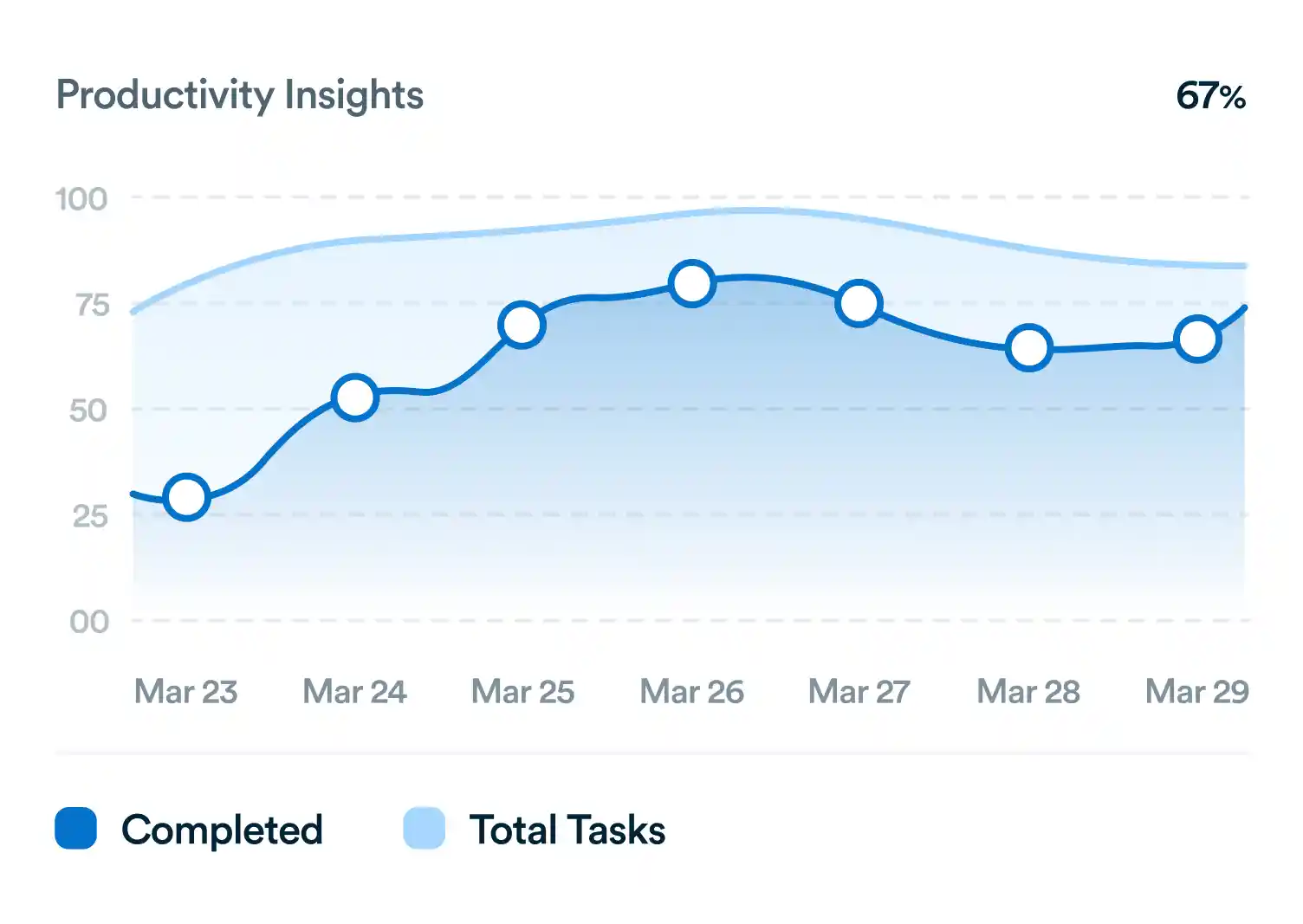
The Dashboard Questions Most Project Managers Actually Ask
Not "what does our data look like." More like: who's overloaded, what's late, and can I show this to a client without cleaning it up first.
Managing multiple projects simultaneously can be overwhelming. Without proper strategies, deadlines, and tools, team members and managers risk burnout and reduced productivity. This comprehensive guide explains techniques to manage multiple projects effectively while maintaining mental and physical well-being, using tools like Workflo to organize, track, and streamline workflows in 2025.

Not all projects carry equal weight:

Large projects can be daunting:

Structured methodologies improve efficiency:

Proper scheduling reduces stress:

Delegation prevents overload:

Dedicated focus prevents errors and delays:

Dispersed communication creates confusion:

Tracking helps identify issues early:

Mental and physical health are critical:

Continuous improvement reduces future overload:

Successfully managing multiple projects without burning out requires prioritization, task breakdown, methodology adoption, smart scheduling, delegation, focus strategies, centralized communication, regular progress tracking, wellness integration, and continuous reflection. Tools like Workflo enhance these strategies by centralizing tasks, automating reminders, tracking performance, and providing actionable analytics. Implementing these steps ensures teams can handle multiple projects efficiently, sustainably, and with reduced stress in 2025.
Not "what does our data look like." More like: who's overloaded, what's late, and can I show this to a client without cleaning it up first.
Introduction Choosing the right project management tool is critical for team productivity, collaboration, and successful project delivery. In 2025, there […]
Introduction Maintaining alignment and productivity in a team is one of the most critical aspects of successful project management. Misalignment […]
Organize tasks, collaborate with your team, and track progress, all in one place.