Why Generic Task Fields Aren't Enough, and What to Track Instead
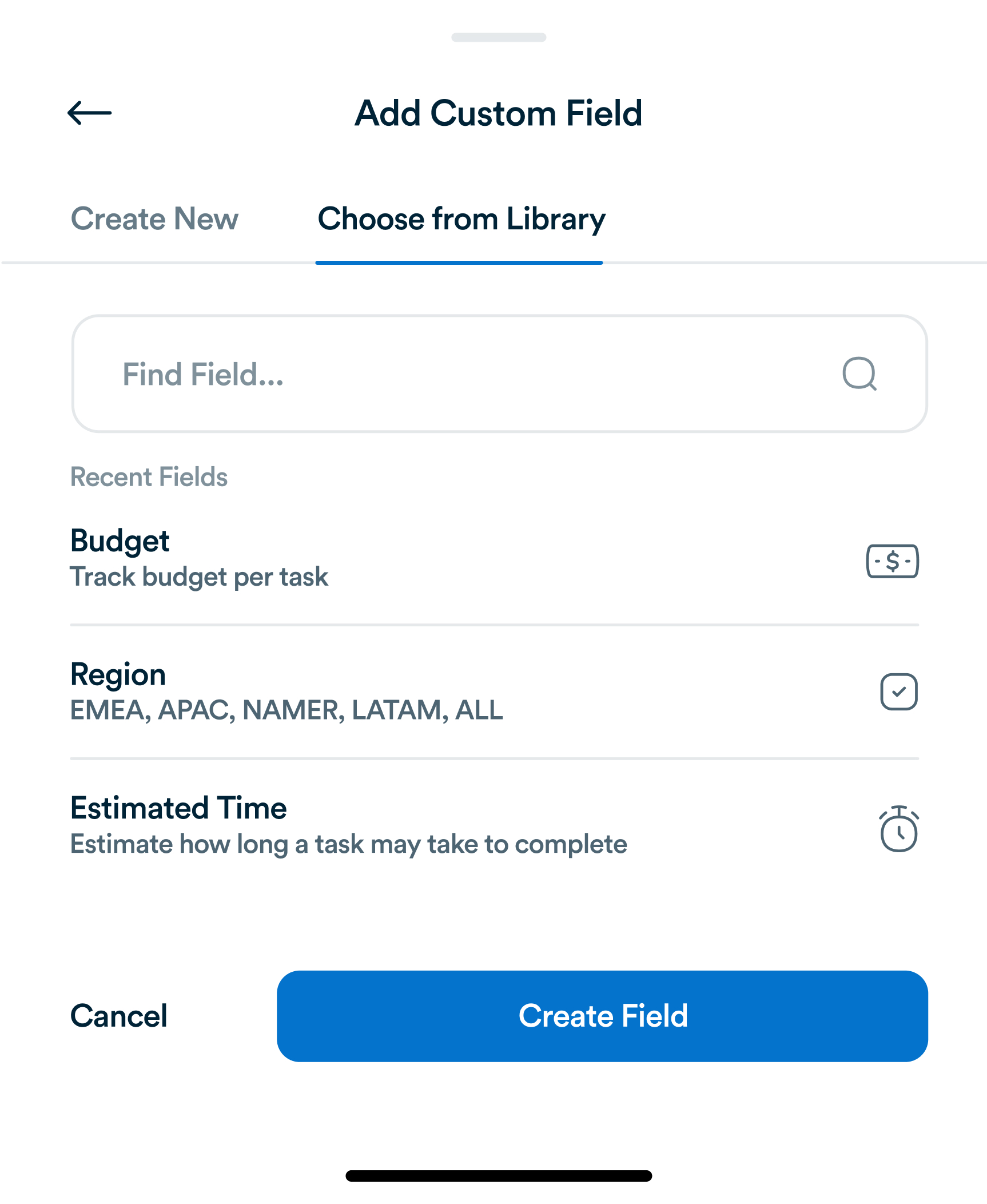
Title, assignee, due date. Most task tools stop there. For most teams, that's not actually enough information to run a project.
Making informed task decisions is essential for maximizing productivity and minimizing wasted effort. Data-driven task management uses metrics, analytics, and performance tracking to decide which tasks to prioritize, when to execute them, and how to allocate resources efficiently. Platforms like Workflo provide real-time dashboards, insights, and automation to support data-driven decisions for both individuals and teams.

Data-driven task management relies on quantifiable metrics:
Workflo aggregates these metrics into visual dashboards, making decision-making easier and more accurate.

Tracking the right metrics is crucial:
Workflo provides preconfigured reports and allows customization to track metrics specific to your workflow.

Data helps prioritize tasks objectively:
Workflo’s AI-assisted dashboards highlight tasks that deliver the most value and require immediate attention.

Monitoring task progress ensures accountability and efficiency:
Workflo automatically updates dashboards as tasks are completed, providing continuous insight.

Scheduling based on metrics optimizes workflow:
Workflo’s scheduling automation incorporates real-time data to maintain efficiency across teams.

Data highlights areas of inefficiency:
Workflo flags bottlenecks on dashboards, allowing managers to act quickly and reassign tasks if necessary.

Data-driven workflows support ongoing optimization:
Workflo stores historical data to help teams continuously improve task efficiency.

Visual dashboards make metrics actionable:
Workflo’s visual analytics provide intuitive insights, reducing reliance on manual evaluation.

Metrics guide decisions, but human context is key:
Workflo allows managers to override AI recommendations while keeping data-driven insights visible.

Data-driven task decisions maximize productivity by providing measurable insights into workload, priorities, and efficiency. Using platforms like Workflo, teams and individuals can track performance, adjust priorities, and optimize task management based on metrics. Combining data insights with human judgment ensures smarter decisions, faster project completion, and sustainable productivity.
Title, assignee, due date. Most task tools stop there. For most teams, that's not actually enough information to run a project.
Introduction Hybrid teams, combining remote and onsite employees, present unique task management challenges. Bridging the gap between physical and virtual […]
Introduction Task management has evolved significantly over centuries, from simple to-do lists to sophisticated project management platforms. Understanding the history […]
Organize tasks, collaborate with your team, and track progress, all in one place.