Stop Losing Task Context in Slack Threads
The decision that mattered happened in a Slack thread three weeks ago. Nobody can find it anymore, including the person who made the decision.
Effective communication is the backbone of successful team collaboration. With remote and hybrid work environments becoming the norm, selecting and managing the right communication channels is critical. Platforms like Workflo provide integrated tools to streamline communication, centralize updates, and reduce miscommunication across teams.

Before choosing channels, assess team requirements:
Workflo helps map communication needs to appropriate tools and channels.

Balance real-time and delayed communication:
Workflo integrates both synchronous and asynchronous options to ensure flexibility and productivity.

Select platforms that suit your team:
Workflo centralizes these channels, reducing context switching and improving efficiency.

Clear rules prevent confusion and overload:
Workflo allows teams to standardize communication workflows and track adherence.

Open communication fosters trust and collaboration:
Workflo ensures transparency by linking communications directly to tasks and projects.

Too many channels can overwhelm teams:
Workflo provides centralized dashboards to monitor communication flow efficiently.

Remote teams require deliberate strategies:
Workflo integrates remote-friendly tools to keep distributed teams connected and informed.
Linking communication to action enhances accountability:
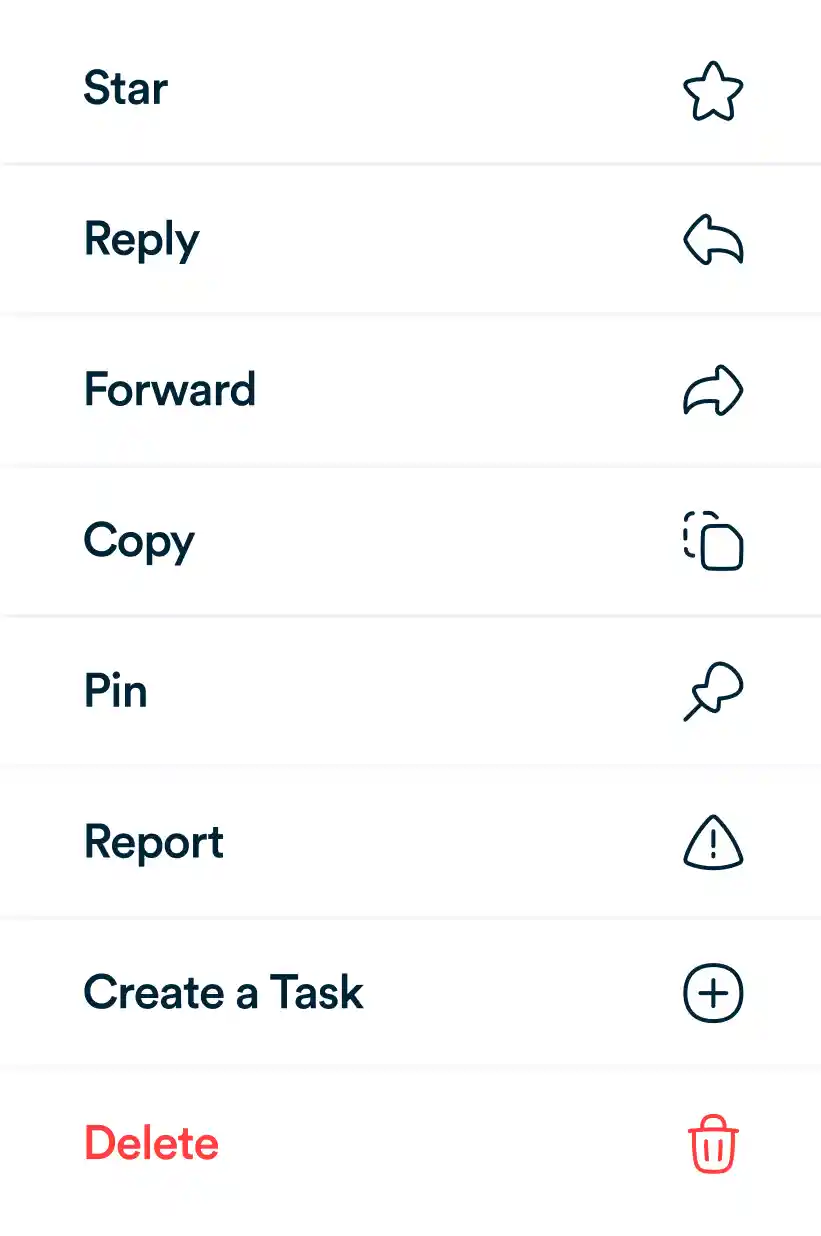
Workflo seamlessly connects messages to actionable tasks, reducing ambiguity.
Regularly evaluate the effectiveness of communication channels:
Workflo provides analytics and reporting to optimize communication strategies continuously.
Effective communication channels are critical for modern team collaboration. By understanding team needs, balancing synchronous and asynchronous methods, establishing guidelines, and integrating communication with task management, teams can improve efficiency and collaboration. Platforms like Workflo help streamline communication, foster transparency, and ensure that messages are actionable, making collaboration more productive and less chaotic.
The decision that mattered happened in a Slack thread three weeks ago. Nobody can find it anymore, including the person who made the decision.
Introduction Collaborative analytics empower teams to make data-driven decisions while fostering cooperation and alignment across projects. By combining insights from […]
Introduction Cross-functional collaboration is essential for modern organizations to innovate and execute complex projects effectively. Departmental silos can hinder communication,
Organize tasks, collaborate with your team, and track progress, all in one place.