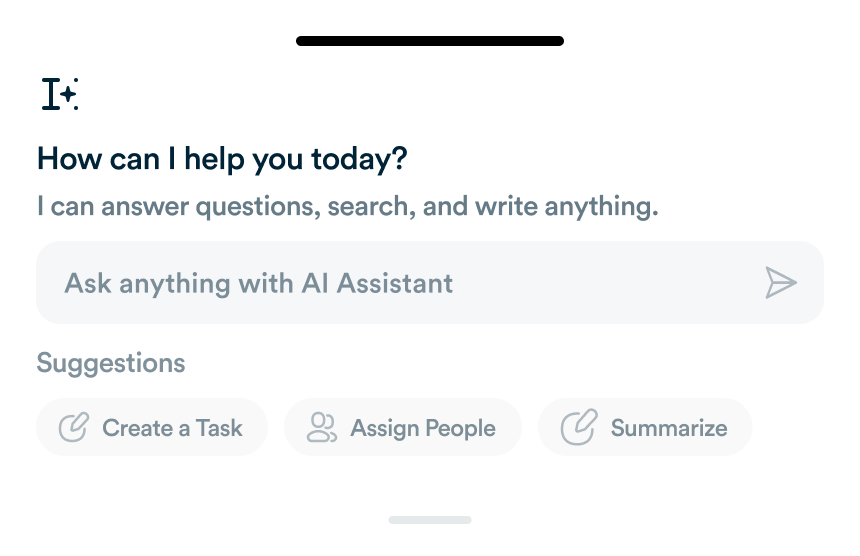
What Workflo's AI Actually Does Today, and What's Still Coming
A lot of "AI-powered" product pages describe features that don't exist yet. Here's an honest breakdown of what's shipped versus what's on the roadmap.
Procrastination is a major obstacle for professionals seeking to maximize productivity. Overcoming it requires a combination of mindset shifts, practical strategies, and supportive tools. This beginner’s guide provides actionable methods to reduce procrastination, enhance focus, and leverage tools like Workflo to maintain consistency and accountability throughout the day in 2025.

Identifying why you procrastinate is the first step:
Workflo can help break large tasks into smaller, manageable steps to reduce overwhelm and provide clarity.

Prioritization combats procrastination by focusing attention on what matters most:

Large projects can be intimidating. Reduce friction by:

Small tasks should not be delayed:

Time blocking minimizes distractions and encourages commitment to tasks:
Distractions fuel procrastination. Minimize them by:
Structured focus intervals increase attention span:
Positive reinforcement motivates action:
Accountability reduces procrastination significantly:
Continuous improvement strengthens productivity habits:
Overcoming procrastination requires understanding its causes, prioritizing tasks, breaking work into manageable steps, using time-blocking, minimizing distractions, leveraging structured focus techniques, rewarding progress, and building accountability. Platforms like Workflo enhance these strategies by centralizing tasks, automating reminders, providing analytics, and tracking productivity. By following these steps, beginners can cultivate focus, maintain consistency, and achieve meaningful results in 2025.
A lot of "AI-powered" product pages describe features that don't exist yet. Here's an honest breakdown of what's shipped versus what's on the roadmap.
Introduction The 4-day workweek is gaining traction as a strategy to enhance productivity, employee satisfaction, and focus. This guide explores […]
Introduction Distractions are one of the main obstacles to achieving peak productivity. A well-designed work environment minimizes interruptions, fosters focus, […]
Organize tasks, collaborate with your team, and track progress, all in one place.