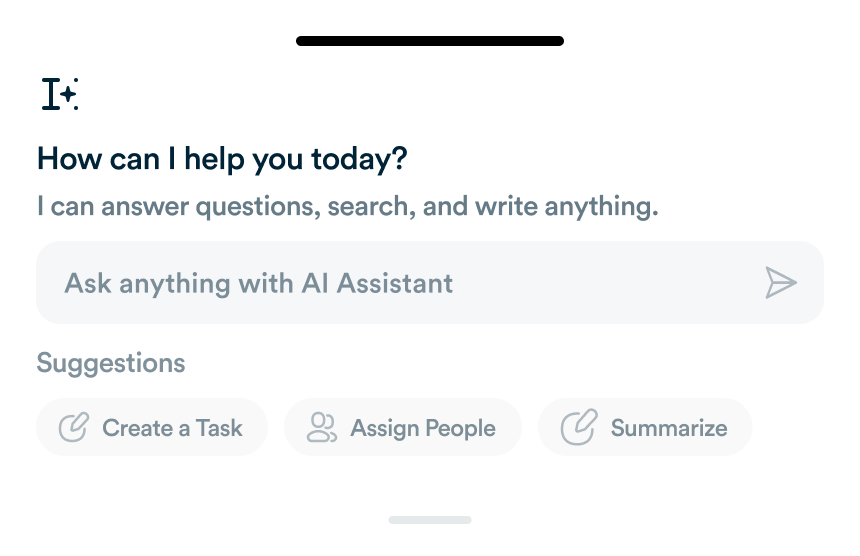
What Workflo's AI Actually Does Today, and What's Still Coming
A lot of "AI-powered" product pages describe features that don't exist yet. Here's an honest breakdown of what's shipped versus what's on the roadmap.
A structured daily routine is essential for maintaining focus, boosting efficiency, and achieving consistent productivity. Busy professionals often struggle with time management and distractions, which makes designing an effective routine a crucial skill. This guide provides a step-by-step approach to creating a daily routine that maximizes focus and efficiency in 2025, incorporating tools like Workflo to streamline workflow management.

The foundation of a productive day begins in the morning. Recommendations include:
Workflo can help schedule morning reminders and prioritize tasks so the day starts with clarity and focus.

Time blocking allows you to dedicate focused periods to high-priority tasks. Tips include:
Workflo integrates with calendars and task lists to manage time blocks effectively and provide automated reminders for each session.

Combining the Two-Minute Rule with task batching reduces mental clutter. Steps include:
Workflo helps track short tasks and batch workflows, ensuring nothing is overlooked and context switching is minimized.

Maintaining energy throughout the day is crucial for focus. Recommendations include:
Workflo can schedule automated break reminders and wellness alerts to ensure professionals maintain energy without losing focus.

A well-organized workspace reduces distractions and improves efficiency. Steps include:
Workflo can centralize digital tools and workflow notifications, keeping the virtual workspace organized alongside the physical one.

Managing communications efficiently avoids interruptions. Strategies include:
This ensures that communication is effective without fragmenting focused work periods.

Ending the day with reflection improves future performance. Recommendations include:
Workflo dashboards provide analytics and task summaries to streamline evening reflections and daily planning.

Consistency builds habit, while flexibility allows adaptation to unexpected demands. Guidelines include:
Balancing structure and flexibility ensures sustainable productivity without stress or burnout.

Mental and physical wellness are integral to focus. Tips include:
Integrating wellness into the routine enhances focus, creativity, and long-term efficiency.

Optimization is an ongoing process. Steps include:
Continuous improvement ensures that your daily routine evolves with changing demands and priorities, maximizing productivity over time.

Building a daily routine that maximizes focus and efficiency requires planning, prioritization, energy management, structured communication, reflection, flexibility, wellness integration, and ongoing optimization. Leveraging modern tools like Workflo centralizes workflows, automates repetitive tasks, and provides actionable insights, making it easier for busy professionals to maintain consistent productivity and achieve meaningful results in 2025.
A lot of "AI-powered" product pages describe features that don't exist yet. Here's an honest breakdown of what's shipped versus what's on the roadmap.
Introduction The 4-day workweek is gaining traction as a strategy to enhance productivity, employee satisfaction, and focus. This guide explores […]
Introduction Distractions are one of the main obstacles to achieving peak productivity. A well-designed work environment minimizes interruptions, fosters focus, […]
Organize tasks, collaborate with your team, and track progress, all in one place.