Why Generic Task Fields Aren't Enough, and What to Track Instead
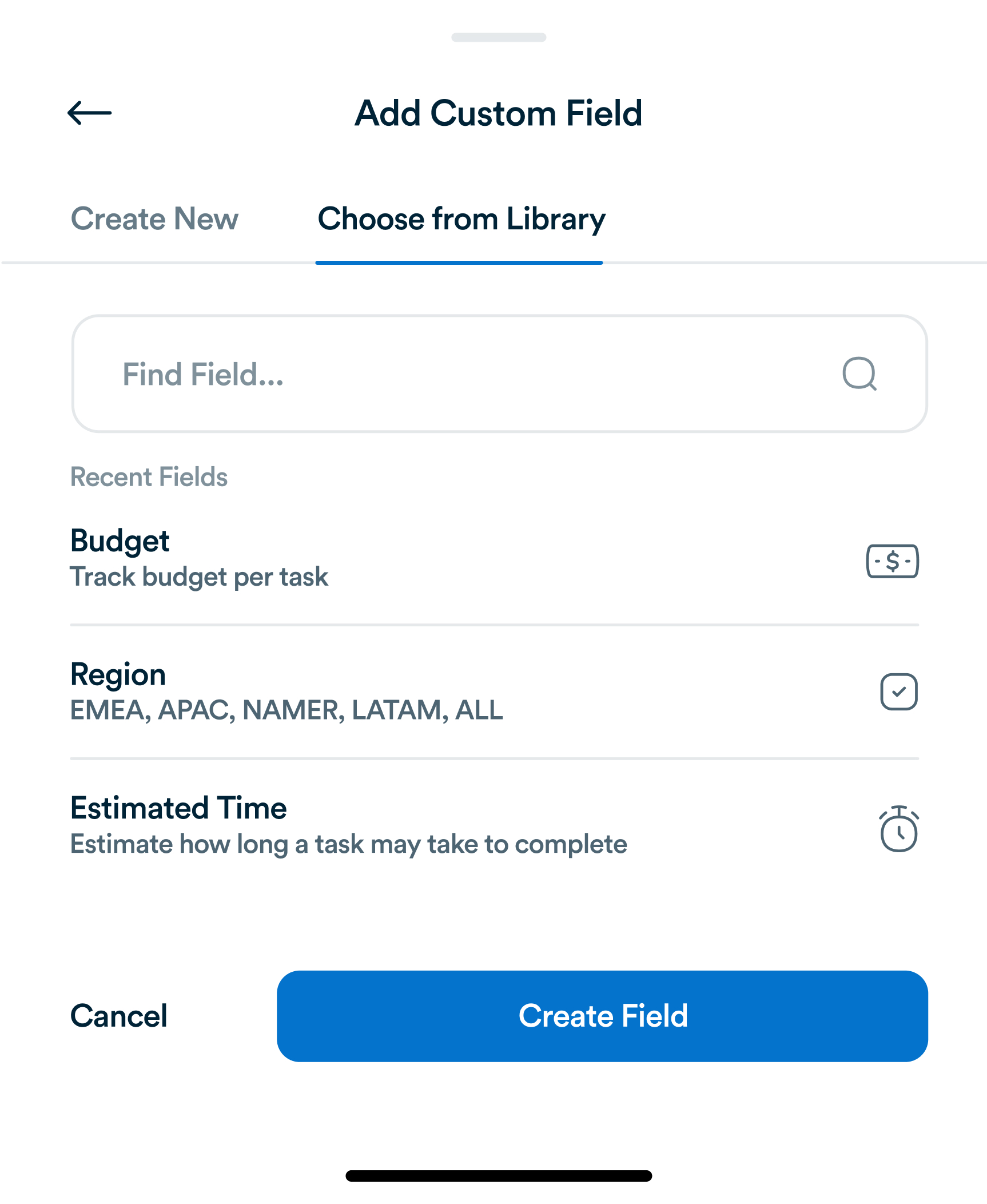
Title, assignee, due date. Most task tools stop there. For most teams, that's not actually enough information to run a project.
As organizations grow, tasks often span multiple departments, creating potential bottlenecks, miscommunications, and delays. Effective cross-department task coordination ensures that teams remain aligned, deadlines are met, and projects progress smoothly. Platforms like Workflo provide centralized dashboards, workflow automation, and real-time collaboration to streamline cross-department task management.

Tasks often depend on contributions from multiple teams. Understanding workflows requires:
Workflo enables visual task mapping, showing all dependencies across departments.

Communication is critical when multiple departments are involved:
Workflo provides centralized task boards and comment threads to keep teams synchronized.

Ambiguity is a major source of bottlenecks. To avoid this:
Workflo allows assigning tasks with visual ownership indicators for accountability.

Tasks often rely on completion of prior tasks from other departments:
Workflo visually connects dependent tasks across departments to prevent bottlenecks.

Not all tasks carry equal weight. Prioritize to optimize workflow:
Workflo provides real-time priority indicators to align team efforts efficiently.

Automation can help streamline task handoffs:
Workflo’s automation tools ensure that tasks move smoothly from one team to another.

Tracking cross-department progress prevents delays:
Workflo provides real-time progress monitoring and comprehensive reporting features.

Collaboration tools help departments work together seamlessly:
Workflo combines task tracking with collaborative features to reduce miscommunication and errors.

Cross-department workflows benefit from iterative refinement:
Workflo enables historical tracking to support continuous workflow optimization.

Effective cross-department task coordination ensures smooth project execution, reduces delays, and improves team alignment. By implementing clear responsibilities, dependency tracking, automation, and centralized collaboration with tools like Workflo, organizations can prevent bottlenecks and optimize efficiency across teams. Successful coordination keeps projects on time, maintains accountability, and fosters collaboration between departments.
Title, assignee, due date. Most task tools stop there. For most teams, that's not actually enough information to run a project.
Introduction Hybrid teams, combining remote and onsite employees, present unique task management challenges. Bridging the gap between physical and virtual […]
Introduction Task management has evolved significantly over centuries, from simple to-do lists to sophisticated project management platforms. Understanding the history […]
Organize tasks, collaborate with your team, and track progress, all in one place.