Why Generic Task Fields Aren't Enough, and What to Track Instead
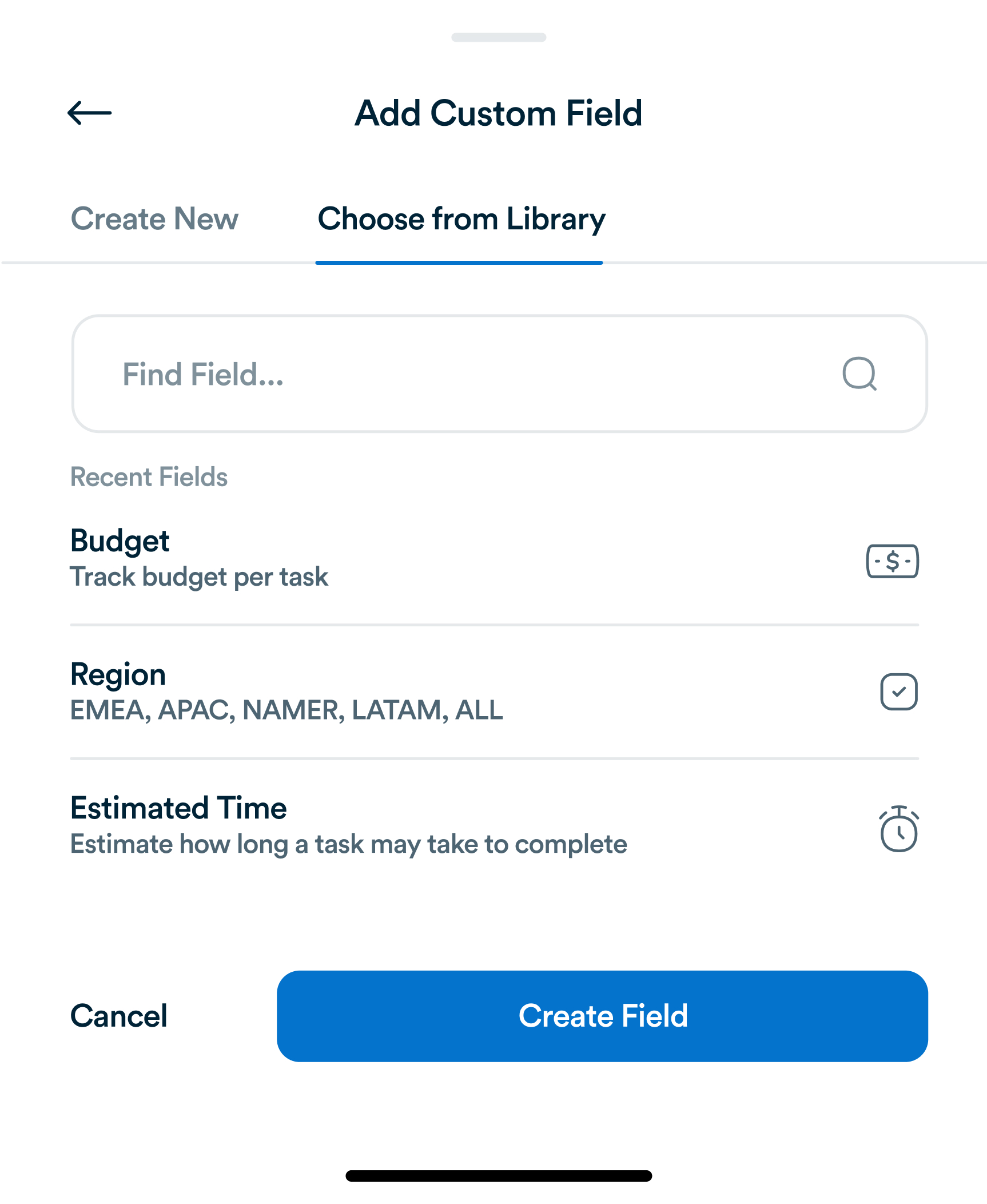
Title, assignee, due date. Most task tools stop there. For most teams, that's not actually enough information to run a project.
Task management has evolved significantly over centuries, from simple to-do lists to sophisticated project management platforms. Understanding the history of task management provides valuable lessons on productivity, organization, and workflow optimization. Platforms like Workflo integrate centuries of best practices into modern, digital task management solutions.

Early civilizations managed work using basic methods:
These methods highlight the timeless need for organization and accountability.

The Industrial Revolution brought formalized task management:
Modern platforms like Workflo inherit principles of task division and tracking for optimized workflows.

Frederick Taylor pioneered scientific management:
Workflo incorporates similar data-driven approaches to guide task prioritization and workflow optimization.

Task management began integrating human factors:
Workflo balances efficiency with user-friendly interfaces and collaboration features.

Early project management software emerged in the 20th century:
Workflo modernizes these tools with digital dashboards and automated updates.

Agile methodologies transformed task management in the 21st century:
Workflo supports agile principles with sprints, boards, and flexible task structures.

Modern task management relies on digital platforms:
Workflo embodies these innovations, enabling teams to coordinate efficiently and in real time.

Key lessons from history include:
Workflo incorporates these lessons into a cohesive, modern task management solution.

Modern task management combines historical insights with contemporary tools:
Workflo integrates all these best practices in one platform.
The evolution of task management demonstrates the importance of structure, data, human factors, and technology. Lessons from productivity pioneers, from early handwritten lists to Agile methods, inform modern strategies for efficient task execution. Platforms like Workflo synthesize these historical insights into a powerful, digital environment that enhances collaboration, prioritization, and workflow management, ensuring teams can work smarter and more sustainably in today’s fast-paced world.
Title, assignee, due date. Most task tools stop there. For most teams, that's not actually enough information to run a project.
Introduction Hybrid teams, combining remote and onsite employees, present unique task management challenges. Bridging the gap between physical and virtual […]
Introduction Making informed task decisions is essential for maximizing productivity and minimizing wasted effort. Data-driven task management uses metrics, analytics, […]
Organize tasks, collaborate with your team, and track progress, all in one place.