Why Generic Task Fields Aren't Enough, and What to Track Instead
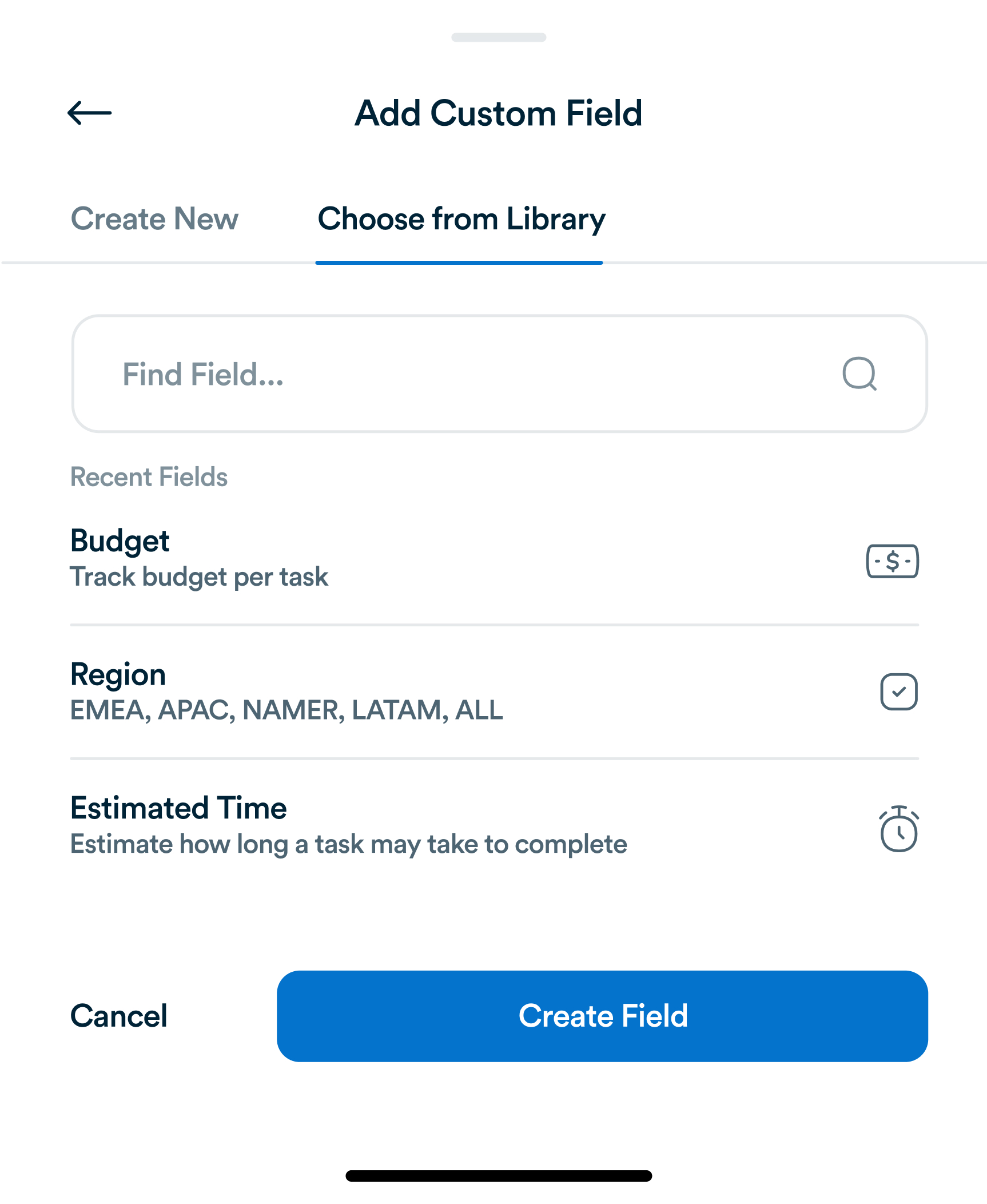
Title, assignee, due date. Most task tools stop there. For most teams, that's not actually enough information to run a project.
Maintaining productivity without burning out is a critical challenge in modern work environments. Sustainable workflows focus on designing tasks, schedules, and priorities that promote long-term efficiency while preserving mental and physical health. Tools like Workflo provide features to monitor workload, optimize task flow, and ensure that teams and individuals work sustainably.

Sustainable workflows prioritize balance and efficiency:
Workflo helps visualize workloads, preventing overcommitment and bottlenecks.

Burnout results from prolonged stress and excessive workload:
Workflo provides alerts and analytics to help identify risk factors early.

Preventing burnout requires distributing work evenly:
Workflo’s workload dashboards allow managers to see and adjust task distribution effectively.

Structured focus periods improve productivity:
Workflo integrates with calendars to automate focus blocks and reminders.

Breaks are essential for mental and physical recovery:
Workflo can schedule automatic reminders for breaks to enforce sustainable work patterns.

Data-driven monitoring helps prevent overloading:
Workflo provides visual analytics to guide sustainable workload adjustments.

Open communication reduces stress and improves collaboration:
Workflo supports team communication through integrated messaging and notifications.

Automation reduces repetitive work and cognitive load:
Workflo’s automation features minimize manual tracking and reduce stress on teams.

Workflows should evolve to remain sustainable:
Workflo allows exporting performance data to support continuous improvement.

Sustainable workflows are essential to avoid burnout while maintaining high productivity. By designing balanced task loads, implementing focus periods and breaks, leveraging automation, and monitoring workload trends, professionals can achieve long-term efficiency. Platforms like Workflo make it easier to track, adjust, and optimize tasks, enabling teams and individuals to work smarter without compromising their well-being.
Title, assignee, due date. Most task tools stop there. For most teams, that's not actually enough information to run a project.
Introduction Hybrid teams, combining remote and onsite employees, present unique task management challenges. Bridging the gap between physical and virtual […]
Introduction Task management has evolved significantly over centuries, from simple to-do lists to sophisticated project management platforms. Understanding the history […]
Organize tasks, collaborate with your team, and track progress, all in one place.