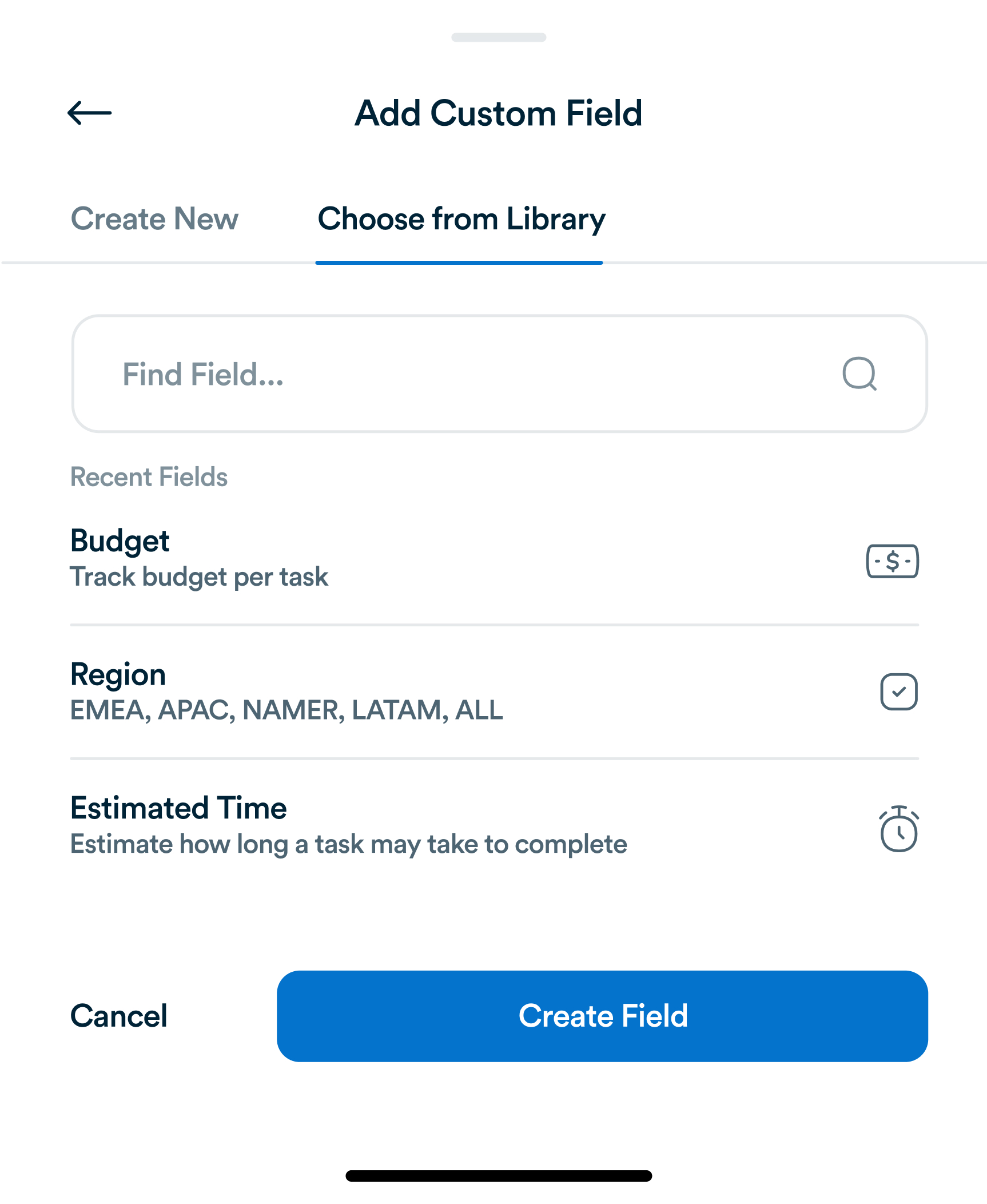
Why Generic Task Fields Aren't Enough, and What to Track Instead
Title, assignee, due date. Most task tools stop there. For most teams, that's not actually enough information to run a project.
Creative professionals often struggle with balancing bursts of inspiration with the structure required to meet deadlines. Task management tailored to creative workflows ensures that ideas are captured, nurtured, and executed efficiently. Tools like Workflo allow creatives to organize projects visually, track deadlines, and maintain the flexibility necessary for innovation.

Creative workflows differ from traditional linear workflows:
Recognizing this, task management for creatives must accommodate flexibility while maintaining accountability.

Ideas can be fleeting. Capture them promptly:
Workflo integrates idea boards, allowing seamless capture and organization of creative thoughts.

To ensure projects move forward:
Workflo’s task boards visually map these stages, keeping creative projects on track without stifling flexibility.

Creative professionals need room to explore while meeting deadlines:
Workflo allows dynamic adjustments of timelines and task priorities, maintaining balance between inspiration and execution.

Creative projects often involve multiple contributors:
Workflo supports collaborative boards, ensuring all team members are aligned and able to contribute efficiently.

Not all ideas are equal. Prioritization helps focus on high-impact tasks:
Workflo enables tagging, sorting, and filtering tasks to keep priorities clear.

Creative work is iterative. Track progress while allowing evolution:
Workflo’s dashboards capture iteration cycles, enabling reflection and refinement without losing sight of deadlines.

Time management helps prevent missed deadlines:
Workflo integrates time-blocks and notifications, allowing creatives to manage their energy and focus efficiently.

Managing creative energy is essential:
Workflo helps track delegated tasks, ensuring focus remains on high-value creative work while minimizing overload.

Task management for creatives requires balancing flexibility with structure, capturing inspiration, and maintaining accountability. By integrating visual tools, prioritization, and collaboration platforms like Workflo, creative professionals can deliver innovative work on time, reduce stress, and maintain consistent productivity. Effective management ensures that inspiration flows seamlessly into tangible results.
Title, assignee, due date. Most task tools stop there. For most teams, that's not actually enough information to run a project.
Introduction Hybrid teams, combining remote and onsite employees, present unique task management challenges. Bridging the gap between physical and virtual […]
Introduction Task management has evolved significantly over centuries, from simple to-do lists to sophisticated project management platforms. Understanding the history […]
Organize tasks, collaborate with your team, and track progress, all in one place.