Why Generic Task Fields Aren't Enough, and What to Track Instead
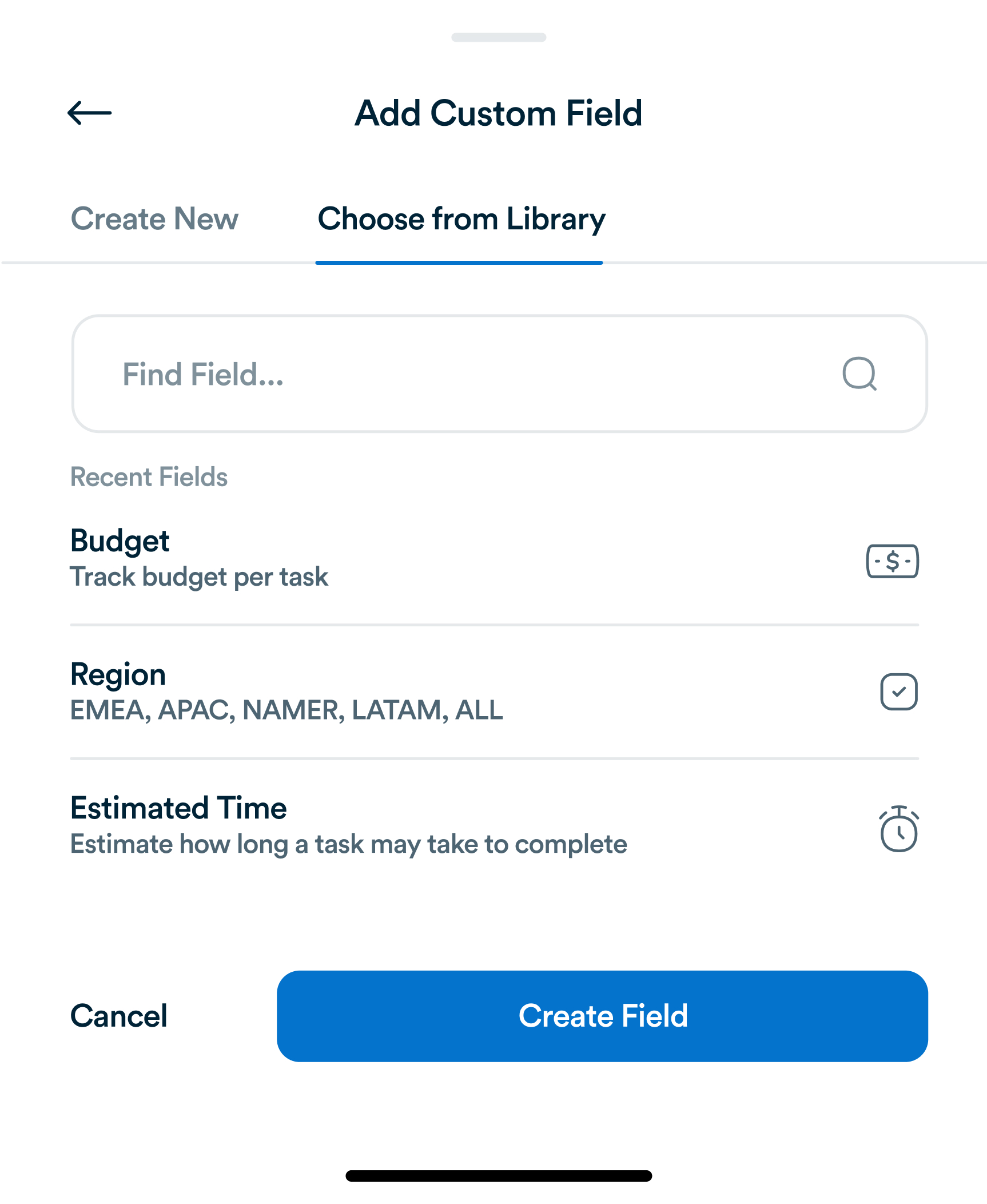
Title, assignee, due date. Most task tools stop there. For most teams, that's not actually enough information to run a project.
Procrastination is one of the biggest challenges in task management. Understanding the psychology behind task completion can help individuals and teams overcome delays and boost productivity. By examining cognitive patterns, motivation, and habits, startups and professionals can implement strategies to stay on track. Tools like Workflo can support these strategies by providing visibility, reminders, and structured workflows.

Procrastination is often rooted in psychological factors:
Understanding these triggers is the first step to creating actionable solutions.

Large tasks can trigger procrastination. Breaking work into smaller, achievable microtasks:
Workflo enables teams to split tasks and track completion, helping to maintain momentum and prevent delays.

Time management strategies can counteract procrastination:
With Workflo, time-blocks and task reminders can be set, keeping individuals accountable and on schedule.

Psychological reinforcement encourages task completion:
Workflo can automate notifications of progress milestones, giving teams a sense of accomplishment and motivation to continue.

External distractions contribute to procrastination:
Workflo’s task-centric dashboards keep focus on critical actions, reducing the temptation to shift attention elsewhere.

Changing perception of tasks helps overcome psychological barriers:
Workflo supports this by allowing task descriptions, goals, and benefits to be visible, helping teams maintain perspective.

External accountability encourages action:
Workflo dashboards and notifications enable clear visibility and accountability for task ownership and completion.

Building habits reduces reliance on willpower:
Workflo can help track recurring tasks, automate reminders, and reinforce consistency over time.

Reflecting on completed tasks strengthens future performance:
Workflo provides visual dashboards and reporting tools to measure progress, identify bottlenecks, and optimize workflows.

Understanding the psychology of task completion allows individuals and teams to combat procrastination effectively. By breaking work into microtasks, managing time, leveraging motivation, minimizing distractions, and forming productive habits, task completion becomes consistent and rewarding. Platforms like Workflo provide the structure, automation, and visibility necessary to apply these psychological principles, ensuring tasks are completed efficiently and goals are achieved.
Title, assignee, due date. Most task tools stop there. For most teams, that's not actually enough information to run a project.
Introduction Hybrid teams, combining remote and onsite employees, present unique task management challenges. Bridging the gap between physical and virtual […]
Introduction Task management has evolved significantly over centuries, from simple to-do lists to sophisticated project management platforms. Understanding the history […]
Organize tasks, collaborate with your team, and track progress, all in one place.